Board games are having a moment all around the world. In Japan, too, modern board games such as Ticket to Ride, Calico, Love Letter, and many others are gaining recognition and popularity. Tomotude has been hosting regular board game events to encourage young people to come together and build connections at QT Cha Café.
These events are especially aimed at young people who may be isolated, including hikikomori (social recluses), NEETs (not in employment, education, or training), and futōkō (school non-attendees). For these groups, opportunities to interact with others in a safe and welcoming environment can be rare, and board games can serve as a gentle bridge back into social life.
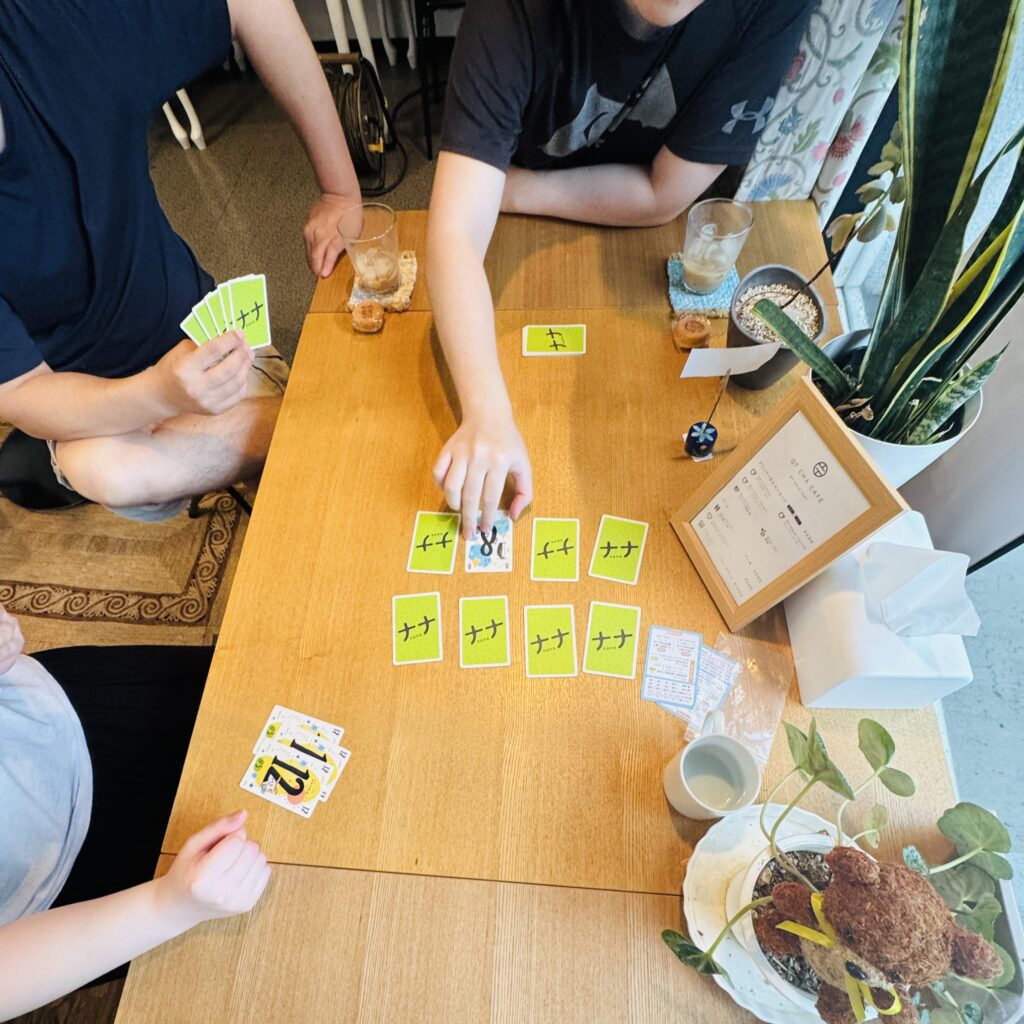
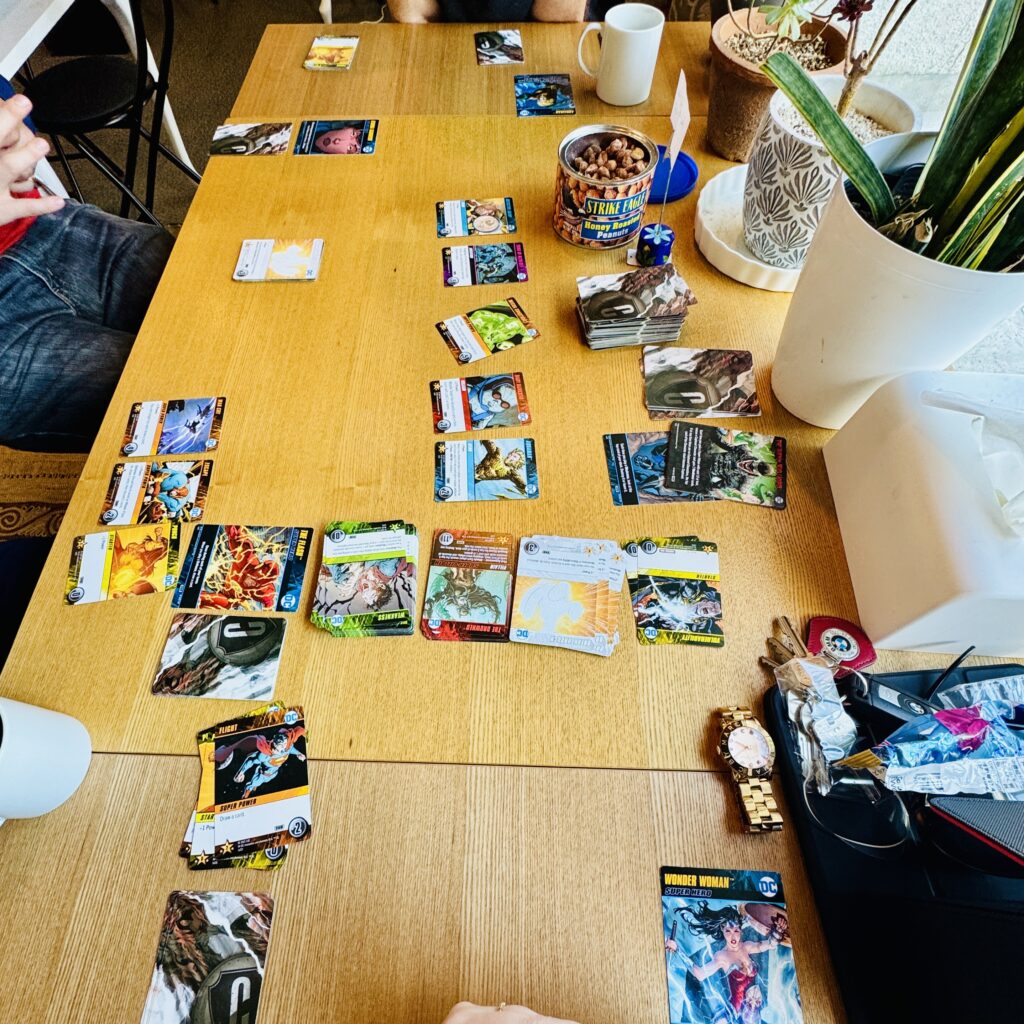
Why Board Games Work
There are several reasons why board games make excellent activities for community-building events:
- Flexible communication: People can talk as much or as little as they want. While playing, it’s perfectly acceptable to remain quiet or only discuss the game itself. For people who struggle with socialization, this provides a “soft introduction” to social interaction, with a shared activity that fosters camaraderie and a sense of belonging.
- Variety and learning: With countless types of board games, participants can always encounter something new. Over time, they also develop preferences and learn to express those preferences—an important step in self-confidence and communication.
- Low financial barrier: Although individual games can be expensive, only one copy is needed for a group to play. I’ve built up my own collection over the years, so I can provide many different options. But participants, too, can contribute by bringing one or two games of their own if they choose, which allows them to feel ownership and participation in the events.
- Mix of skill and luck: The games I select are usually short and balanced between luck and strategy. This ensures that no single person can dominate every time. Instead, everyone has the chance to succeed, fail, and try again in a low-pressure environment.
- Collaborative experiences: Cooperative games allow people to work together with others, even with strangers, toward a shared goal. For those who have experienced negative social encounters in the past, this provides a rare opportunity to build positive experiences.
Relevance for Hikikomori, NEET, and Futōkō Youth
Many young people who withdraw from school, work, or social life often do so because of fear of rejection, negative past experiences, or anxiety in unfamiliar settings. Board game events lower these barriers by offering:
- A structured yet casual space where interaction feels natural
- A chance to practice communication and teamwork in small, safe steps
- Opportunities to experience acceptance and fun with strangers, which can gradually reduce fear of new situations
Even small successes in these spaces can encourage young people to take further steps toward re-engaging with society.
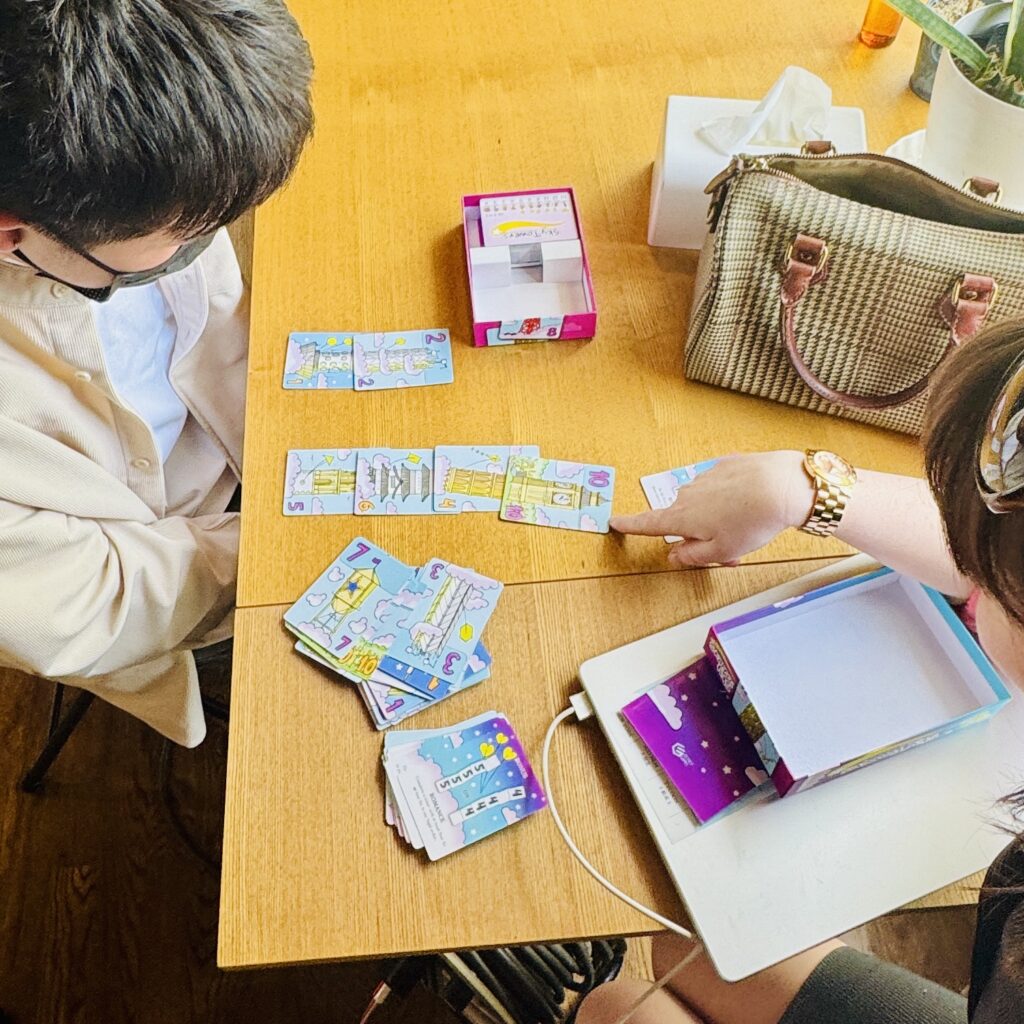
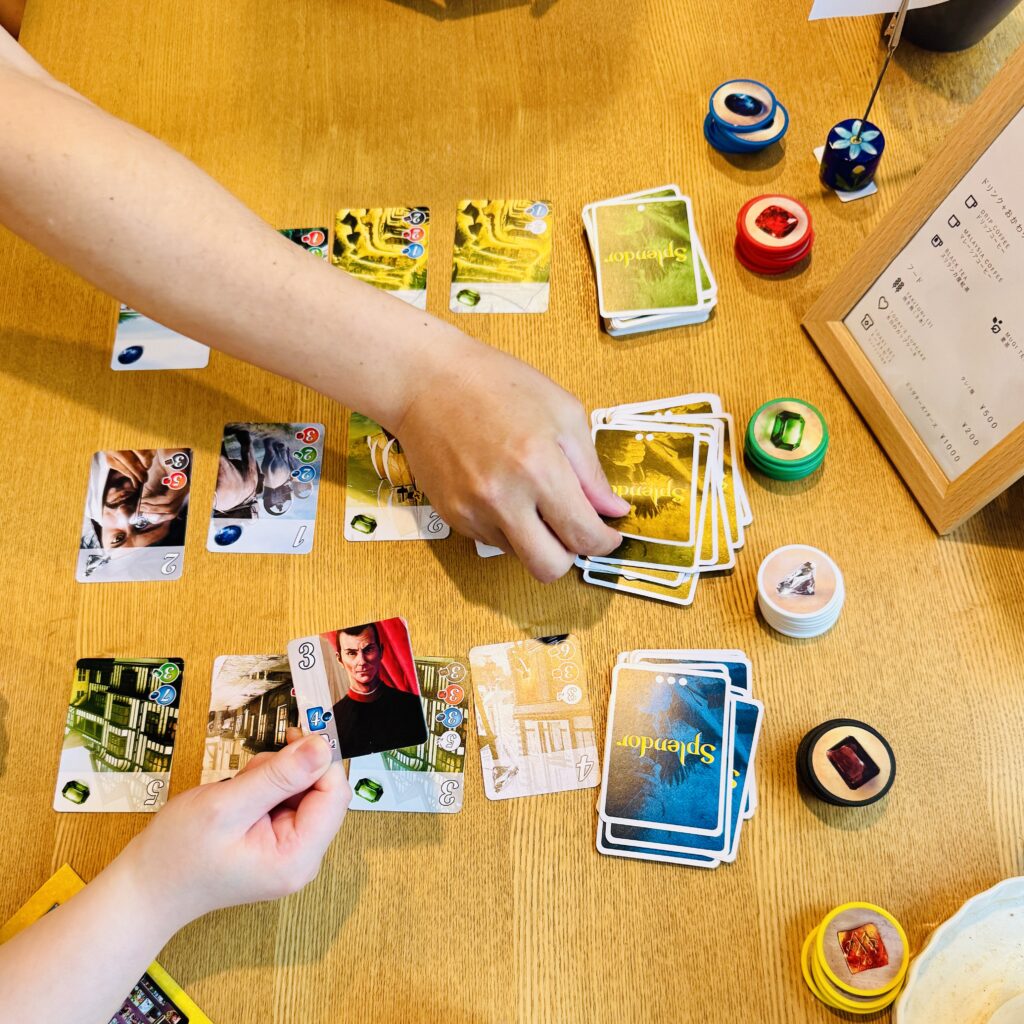
Challenges of Outreach
Despite these benefits, reaching the young people who could most benefit is not simple. Many who are isolated do not actively seek out events, and they may not even know these opportunities exist. Flyers, social media, and word of mouth can only go so far.
There is also the hurdle of getting people to actually come the first time. Even if they see the event information, anxiety or self-doubt often holds them back. Building trust—whether through schools, families, counselors, or peer networks—is essential. Sometimes, participants only come after repeated encouragement, or when they hear from others who already attended and felt welcomed.
Strategies for Reaching More Young People
To address these challenges, I am experimenting with several approaches:
- Partnerships with schools, counselors, and support groups: Working together with teachers, school social workers, and mental health professionals who already have contact with isolated youth, so they can introduce the events as a safe option.
- Family involvement: Encouraging parents or siblings to join the first time, so young people don’t feel they have to step into a completely new environment alone.
- Peer invitations: Having past participants invite or accompany new ones, since hearing about positive experiences from someone in a similar situation carries more weight than an organizer’s explanation.
- First-timer friendly design: Keeping the events small in scale, clearly explaining what to expect, and offering beginner-friendly games, so participants don’t feel pressured or overwhelmed.
- Gradual engagement: Allowing people to first drop in, observe, or even just have tea without playing. Sometimes just being present in the space is the first step toward deeper participation.
Through these methods, the hope is to gradually create a circle of trust and community, where board games are not just entertainment, but also a tool for rebuilding connections and confidence.